
How to Sell a House with Mold for Cash
Repairs · November 12, 2026
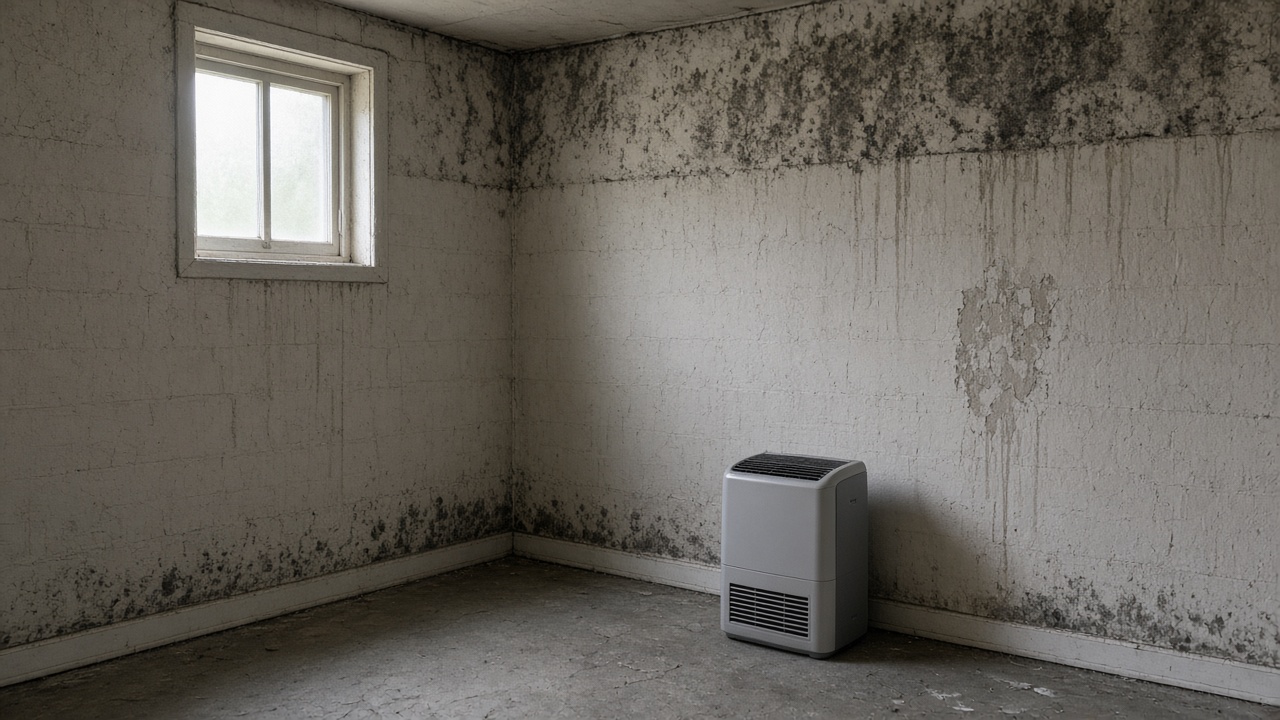
Finding mold in your house is stressful, and it gets worse when you're trying to sell. Maybe an inspection turned it up, maybe you've seen it spreading across a bathroom ceiling, or maybe the crawl space smells musty every time it rains. Whatever the case, you have options. This guide walks through how to sell a house with mold in East Tennessee, what to expect from a traditional sale, and how a cash sale to Pro Source Home Buyers works.
Can you sell a house with mold?
Yes, including as-is to a cash buyer
You can sell a house with mold. Plenty of houses change hands every year with some amount of mold in them, from a little growth around a window to a serious problem behind the walls. The real question is how you sell it and who you sell it to.
You have two main paths. You can fix the problem first and list the house with an agent, or you can sell it as-is. If you're wondering "can you sell a house as is with mold," the answer is yes. Selling as-is to a cash buyer like us is often the simplest route, because we buy the house in its current condition and handle the cleanup ourselves after closing.
East Tennessee has humid summers, lots of rain, and plenty of older homes with crawl spaces and basements. Moisture is the main thing mold needs, so it's a common issue around Knoxville, Chattanooga, and the Tri-Cities. You're far from the first homeowner in this spot.
Why mold makes a traditional listing hard
Selling a house with mold on the open market can be done, but it adds hurdles at almost every step.
Inspections
Most buyers who make an offer will hire a home inspector. Inspectors look for signs of moisture and mold, like water stains, soft drywall, musty odors, and visible growth. If they find it, the buyer may ask for a separate mold test, ask you to pay for remediation, ask for a lower price, or back out of the deal.
Buyer financing
Most buyers need a mortgage, and lenders care about the condition of the house they're lending on. An appraiser may note visible mold or water damage, and some loan programs have property condition standards that require certain problems to be fixed before closing. That can leave you making repairs on someone else's deadline or watching the sale fall through.
Remediation costs
Fixing mold properly usually means finding and stopping the moisture source first, then removing the affected materials and cleaning what's left. The cost depends on how far it has spread, where it is, and what caused it. A small area on a bathroom wall may be a fairly modest job. Mold spread through drywall, insulation, a crawl space, an attic, or the ductwork can turn into a much bigger and more expensive project, especially if the leak behind it also needs repair.
Delays
Getting quotes, scheduling a remediation company, waiting on the work, and sometimes paying for testing afterward all take time. Every extra month means more mortgage payments, utilities, taxes, and insurance on a house you're trying to leave. And if a buyer walks away after the inspection, you start over.
Disclosing mold when selling in Tennessee
This is the part where most people have questions, and it's worth getting right. Tennessee has a residential property disclosure law, and most home sellers fill out a property condition disclosure form that asks about known problems with the house. There are some exemptions and special situations, and the rules can depend on the type of sale.
If you're asking "do you have to disclose mold when selling a house," the safest general approach is to be honest about any mold or water problems you know about. Hiding a known defect can lead to legal trouble after the sale. Because the details depend on your situation, we recommend reviewing the current Tennessee disclosure form and talking with a local real estate attorney before you sign anything.
When you sell to us, we'll still ask you to tell us what you know about the house. We're buying it as-is, so what you share simply helps us understand the property and make a fair offer.
Fix the mold or sell as-is
There's no single right answer here. It comes down to your money, your time, and how much hassle you're willing to take on.
Fixing the mold first may make sense if:
- The problem is small and the source is easy to fix
- You have the cash to pay for remediation and any related repairs
- The rest of the house is in good shape and ready to list
- You have time to wait for the work and a traditional sale
Selling as-is may make more sense if:
- The mold is widespread or keeps coming back
- The cause is a bigger issue like a bad roof, plumbing leak, or wet crawl space
- You'd rather not spend money on a house you're about to leave
- You need to sell on a specific timeline
- The house is vacant, inherited, or has other repairs piling up
If your house needs more than mold work, our guides on how to sell a home that needs repairs and how to sell a home without making repairs go deeper on that choice. We also have a page for owners dealing with too many repairs.
How a cash sale for a mold-damaged house works
Selling a mold-damaged house to us follows the same simple steps as any other house we buy.
- Tell us about the house. Fill out our cash offer form or call us. Let us know what you know about the mold, any leaks, and your timeline.
- We take a look. We schedule one walkthrough at a time that suits you. You don't need to clean up, test, or treat anything before we come out.
- You get a written cash offer. The offer accounts for the mold and any other repairs the house needs. There's no obligation to accept.
- You pick the closing date. If you accept, we open title with a local title company or closing attorney and close on the date that works for you.
After closing, the cleanup and repairs are ours to handle. You walk away without the remediation bills, the contractor scheduling, or worrying about whether a buyer's lender will sign off.
Other damage we buy as-is
Mold rarely shows up alone. It usually points to a moisture problem somewhere else in the house. We buy houses with all kinds of damage, including:
- Water damage from burst pipes, slow plumbing leaks, flooding, or a wet basement or crawl space
- Roof issues such as missing shingles, sagging areas, and leaks that have soaked into ceilings and attic insulation
- Major repairs like foundation problems, old electrical systems, failing HVAC, or fire and smoke damage
If you want to see how this works for other kinds of damage, read our posts on how to sell a damaged home to a cash buyer and what to know about cash buyers for damaged houses.
We buy houses across East Tennessee, including Knoxville, Chattanooga, and the Tri-Cities.
Get a cash offer on your mold-damaged house
If you're tired of thinking about the mold, the cost of fixing it, and whether a buyer will stick around after the inspection, we can give you a straight answer on what we'd pay. Selling a house with mold to a cash buyer lets you skip the remediation, the showings, and the lender, and close on your own schedule.
Get your cash offer today and find out what your house is worth to us as it sits.
FAQs
Can you sell a house with mold?
Yes. You can sell a house with mold either by fixing it first and listing it, or by selling it as-is. Cash buyers like Pro Source Home Buyers purchase mold-damaged homes in their current condition.
Do I have to remediate mold before selling?
Generally, you can sell a house without remediating mold first. A buyer using a mortgage, or their lender, may ask for it to be fixed before closing. When you sell as-is to a cash buyer, remediation becomes the buyer's job after the sale. If you have questions about your specific situation, check with a local real estate attorney.
Do you have to disclose mold when selling a house in Tennessee?
Tennessee sellers generally have to fill out a property condition disclosure form that covers known problems with the house, and being upfront about known mold or water damage is the safest approach. The rules include some exemptions, so review the current Tennessee disclosure form and talk with a local real estate attorney about your situation.
Will a cash home buyer purchase a mold-damaged house as-is?
Many will, and we do. We buy mold-damaged houses as-is across East Tennessee, including homes with water damage, roof leaks, and other repairs. You don't need to clean, test, or treat anything first.
How much does mold remediation usually cost vs selling as-is?
Remediation cost varies a lot. A small, contained area may be a fairly modest job, while mold spread through walls, insulation, crawl spaces, or ductwork can get expensive, especially once you add the repair for the leak that caused it. Getting quotes from reputable local remediation companies is the best way to know your number. Selling as-is means you skip that cost and the time it takes, and the condition is reflected in the offer price instead. Comparing a remediation quote against an as-is cash offer can help you decide which route leaves you better off.
How fast can I close if my house has mold?
Mold doesn't slow down a cash sale with us. Once you accept the offer, the timeline mostly comes down to clearing the title. If the title is clean, we can close quickly. If you need more time, you can pick a later date.